
Upcoming Performance: May 2nd, 2024
The Athens Choral Society performs on Thursday, May 2 at 7:30 pm in UGA’s Hodgson Hall at the Performing Arts Center. The chorus will present Dan Forrest’s the breath of life and Requiem by Gabriel Faure.
the breath of life ponders the beauty - yet brevity - of human life as portrayed in a single breath. Its profoundly moving texts (ranging from ancient to modern) trace the arc of life from the miracle and joy of birth to the bereavement of death, and the love that makes life worthwhile. Pairing beautifully with this work is Faure’s Requiem, extending the theme of life and death while focusing on eternal rest and consolation. 2024 is the 100th anniversary of Faure’s death.
The concert is free and no ticket is required.
Join Us Next Season: Summer 2024
Our Summer 2024 season features the theme Broadway!
Rehearsals Begin: May 14, 2024
Performances: August 23, 2024 (7:30pm), August 24, 2024 (2:30pm, 7:30pm)
Dues & music (totaling $60) can be paid online in advance.
We would also like to remind all prospective singers that assistance with these costs is available through the John Corina fund. Just speak with any board member at registration to apply - we do not want financial hardship to keep anyone from singing!


Our Chorus
The Athens Choral Society’s first performance was May 18, 1971. Over the decades the society has remained loyal to the original vision of a non-audition, community chorus. Any member of the community can take part in performing great choral masterpieces. The only requirement for membership is a love of music.
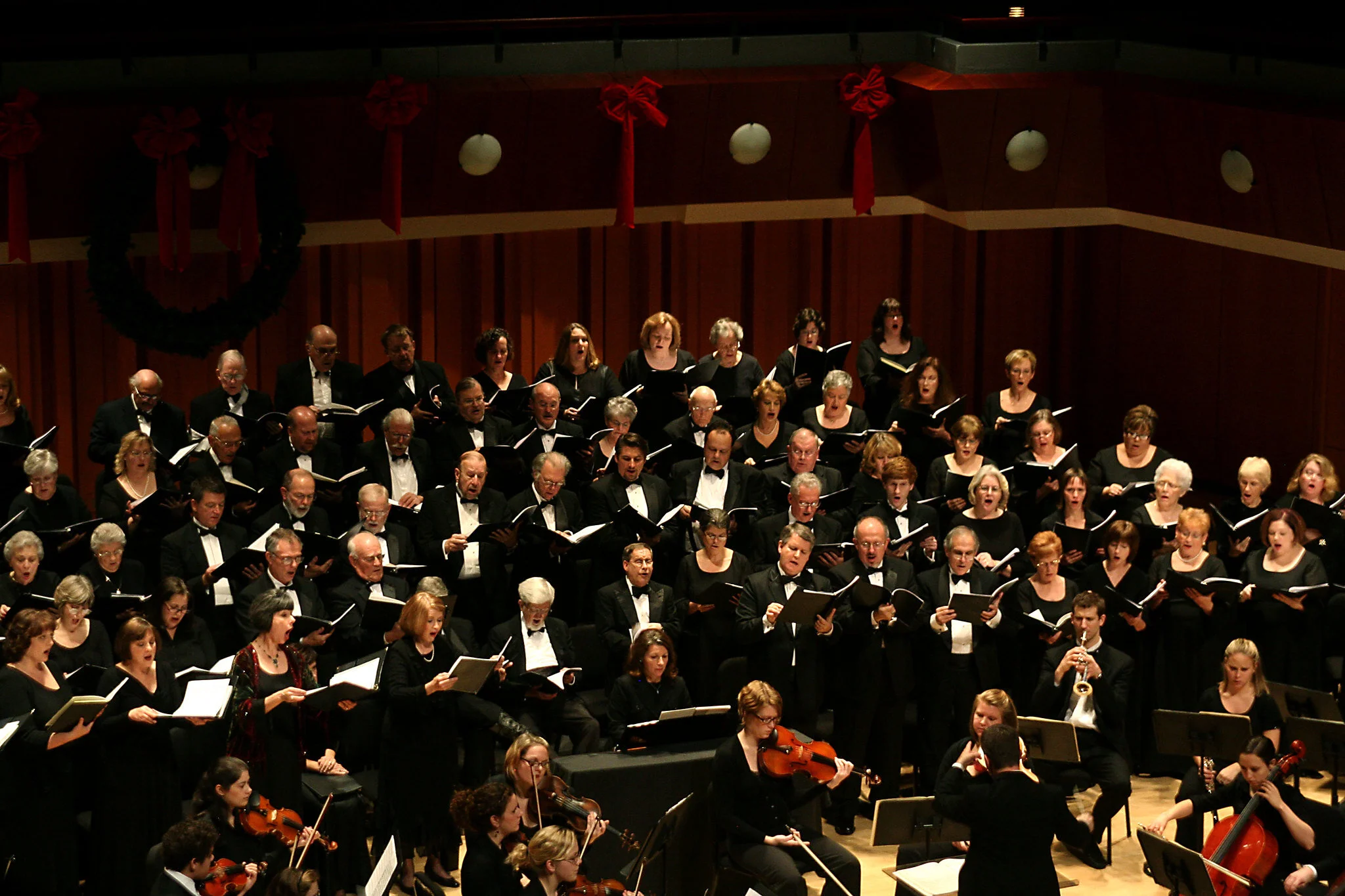
Attend a Performance
Our concerts have been presented at Hodgson Hall, First Baptist Church, Milledge Avenue Baptist Church, First Presbyterian Church, St. Phillip’s Cathedral in Atlanta, Beech Haven Baptist Church, Athens First United Methodist Church, UGA’s Fine Arts Auditorium, the Morton Theater, the Oconee Civic Center, and numerous other sites. To browse upcoming performances, click below.

“Music acts like a magic key, to which the most tightly closed heart opens.”
— Maria von Trapp
You can help bring music to Athens for years to come.

A great way to support Athens Choral Society is by attending a performance! However, we also gratefully accept tax deductible donations as a non-profit, 501(c)(3) organization.
The Outler Family & Friends
In memory of Thomas Outler.
Kathy R. Pharr
In memory of my mother, Doris G. Rogers, who shared the gift of song from beginning to end.
Dr. F Neal & Victoria Pylant
In memory of Fred Pylant Sr.
Mickey and Regina Schuber
In honor of David N. Young, who taught us to love singing.
Athens Choral Society extends Special Thanks to our sponsors at or above the Benefactor level for the 2022-23 concert year!
Billy Stone
In memory of the family members I have lost. I love you all.